


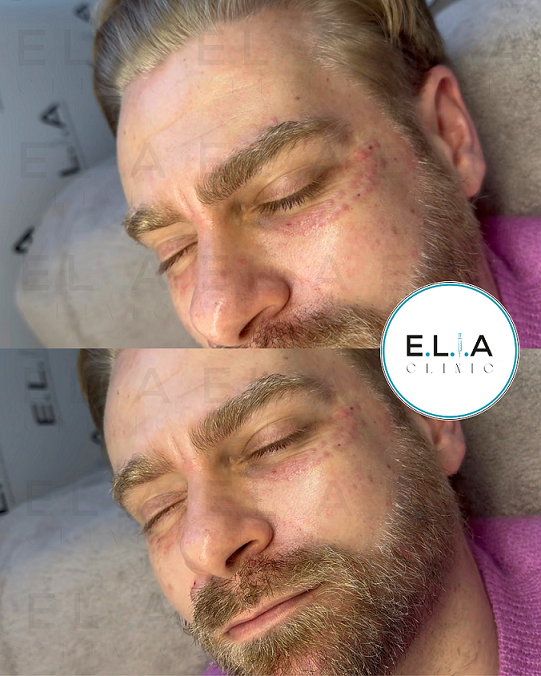
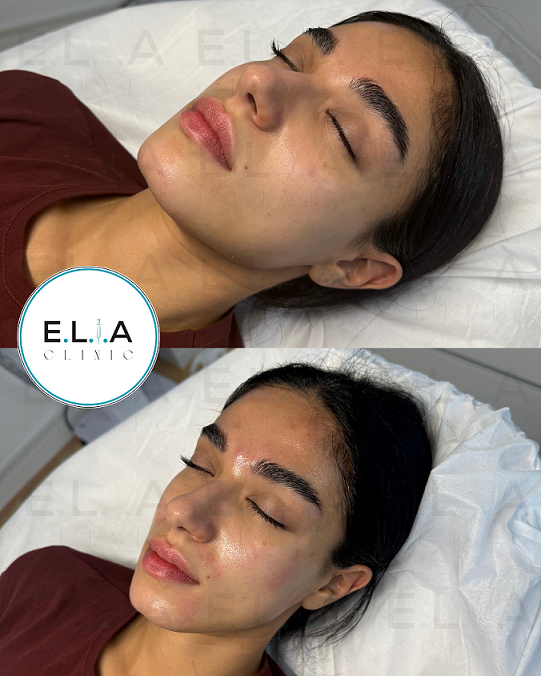
Polynucleotides are injectable treatments containing purified DNA fragments that are used in aesthetic medicine as a skin-quality and regenerative treatment. Rather than adding significant volume or changing the shape of your face, polynucleotides are designed to support the skin and improve its overall quality. At ELIA Clinic, we use polynucleotide treatments as part of a personalised approach to skin rejuvenation. Depending on the specific product and your individual needs, polynucleotides may be used on areas such as the face, under-eyes and neck.
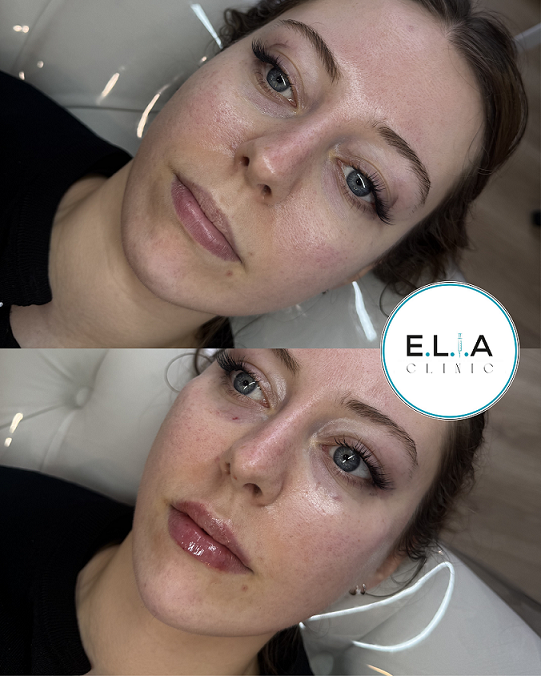
A course of treatments is often recommended to achieve the best overall result, although the number of sessions varies depending on the product, treatment area and your individual skin. The result is intended to look natural and gradual, with the skin becoming healthier-looking rather than dramatically changed overnight. Your treatment area and protocol will be determined during your consultation.
Improved skin quality and hydration
Mild and temporary
Varies by individual
20–30 minutes

Begin by getting in touch to discuss your concerns and treatment goals. From the very first conversation, our focus is on recommending only what will genuinely benefit you. We'll make sure you're informed about the available options and the most appropriate approach for your needs. Whether you're considering a specific treatment or exploring, we're happy to answer your questions and offer honest guidance.

Your consultation includes a thorough facial assessment, allowing us to create a treatment plan tailored to your goals, facial proportions and natural anatomy. We'll talk through your concerns, desired outcome and relevant medical information, and determine whether treatment is appropriate for you. I believe in honest consultations, so if I don't think a treatment is right for you, I'll always tell you.

Treatments take place at our welcoming Stockport clinic, carried out with skill, care and an obsessive attention to detail. With a background in Biomedical Science, I combine medical knowledge with an artistic eye to create subtle, natural-looking results. Every treatment is tailored to your own unique facial anatomy. Patient safety always comes first, so you can relax and feel completely confident knowing that you're in very trusted, expert hands at all times.

Your care continues long after you leave the clinic. You'll receive full personalised aftercare advice to support your results, and if you have any concerns following your treatment, please contact ELIA Clinic so we can assess your result and advise you appropriately. Patient safety is my highest priority, from consultation through to aftercare. Your comfort and wellbeing matter throughout your journey.
Begin by getting in touch to discuss your concerns and treatment goals. From the very first conversation, our focus is on recommending only what will genuinely benefit you. We'll make sure you're informed about the available options and the most appropriate approach for your needs. Whether you're considering a specific treatment or exploring, we're happy to answer your questions and offer honest guidance.
Your consultation includes a thorough facial assessment, allowing us to create a treatment plan tailored to your goals, facial proportions and natural anatomy. We'll talk through your concerns, desired outcome and relevant medical information, and determine whether treatment is appropriate for you. I believe in honest consultations, so if I don't think a treatment is right for you, I'll always tell you.
Treatments take place at our welcoming Stockport clinic, carried out with skill, care and an obsessive attention to detail. With a background in Biomedical Science, I combine medical knowledge with an artistic eye to create subtle, natural-looking results. Every treatment is tailored to your own unique facial anatomy. Patient safety always comes first, so you can relax and feel completely confident knowing that you're in very trusted, expert hands at all times.
Your care continues long after you leave the clinic. You'll receive full personalised aftercare advice to support your results, and if you have any concerns following your treatment, please contact ELIA Clinic so we can assess your result and advise you appropriately. Patient safety is my highest priority, from consultation through to aftercare. Your comfort and wellbeing matter throughout your journey.
Message from ELIA
My philosophy has always been simple: less is more. My aim is to help every client feel more confident while still looking like themselves, with subtle, natural-looking results that enhance your features rather than change them. Every treatment is tailored to your unique facial anatomy, and patient safety is always my highest priority. My Biomedical Science background shapes how I work, with experience, precision and passion in every detail.

Elia | Founder & Director
Advanced Aesthetics Practitioner
Polynucleotides are injectable treatments containing purified DNA fragments that are used in aesthetic medicine as a skin-quality and regenerative treatment.
Rather than adding significant volume or changing the shape of your face, polynucleotides are designed to support the skin and improve its overall quality. At ELIA Clinic, we use polynucleotide treatments as part of a personalised approach to skin rejuvenation.
Polynucleotides are thought to support the skin’s natural repair processes and create an environment that can support fibroblast activity and tissue regeneration. The overall aim is to improve skin quality, hydration, elasticity and texture over time rather than simply adding volume.
No. Polynucleotides and dermal fillers have different purposes.
Dermal fillers are primarily used to restore or add volume, enhance facial contours and define features.
Polynucleotides are focused on improving the quality and condition of the skin and do not provide the same structural volumising effect as traditional dermal fillers.
Polynucleotide treatments may help improve the appearance of:
Results vary between individuals and depend on the product, treatment area and condition of your skin.
Yes, certain polynucleotide products and treatment protocols can be suitable for the delicate under-eye area.
The under-eye requires particularly careful assessment because the skin is thin and the anatomy is complex. During your consultation, we’ll determine whether polynucleotides are appropriate for you and which treatment approach is most suitable.
Yes. Depending on the specific product and your individual needs, polynucleotides may be used on areas such as the face, under-eyes and neck.
Your treatment area and protocol will be determined during your consultation.
A course of treatments is often recommended to achieve the best overall result, although the number of sessions varies depending on the product, treatment area and your individual skin.
Some clients notice improvements in hydration and skin appearance relatively early, while improvements in overall skin quality develop progressively over time.
The result is intended to look natural and gradual, with the skin becoming healthier-looking rather than dramatically changed overnight.
Longevity varies between individuals and depends on factors including the product used, treatment area, number of sessions, lifestyle and individual response.
Maintenance treatments may be recommended depending on your skin and long-term goals.
You may experience some mild discomfort, pinching or stinging during the injections.
The treatment involves multiple small injections, and the level of discomfort varies depending on the treatment area. Numbing or other comfort measures may be used where appropriate.
There can be some temporary redness, swelling, tenderness or small raised areas at the injection points following treatment.
The under-eye area can be particularly prone to swelling and bruising because the skin is very delicate.
Most temporary effects settle as the skin heals, but your practitioner will provide specific aftercare advice following treatment.
Yes. Polynucleotides can form part of a wider skin-treatment plan alongside treatments such as microneedling, anti-wrinkle injections or other skin boosters.
However, timing is important, and not every treatment should be performed at the same appointment. We’ll advise you on the appropriate spacing based on your individual treatment plan.
Absolutely. Polynucleotides can be suitable for both men and women.
The treatment is focused on skin quality rather than altering traditionally masculine or feminine facial features, making it a popular option for anyone looking to improve the appearance and condition of their skin.
Before treatment, please let us know about any relevant medical conditions, allergies, medications, previous aesthetic treatments or previous reactions to injectable treatments.
Arrive with clean skin where possible and follow any specific preparation instructions provided by your practitioner.
Polynucleotide treatments aren’t suitable for everyone. Your suitability will be assessed during your consultation.
Factors such as pregnancy or breastfeeding, active infection or inflammation in the treatment area, allergies and relevant medical conditions may affect whether treatment is appropriate.
If you’re unsure whether you’re suitable, please speak to us before booking.
To help your appointment run smoothly and give you the best possible results, please read the following advice before you visit.
Following your polynucleotide treatment, there can be some temporary redness, swelling, tenderness or small raised areas at the injection points. Most temporary effects settle as the skin heals. To ensure optimal healing and results, please follow the guidance below.

What to expect
See the work
Hear from clients
Get in touch